
Selected as a Practical Training Model for Preparing Accreditation Assessors for Iraqi Medical Colleges
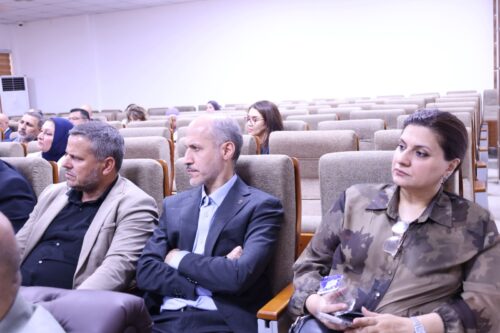
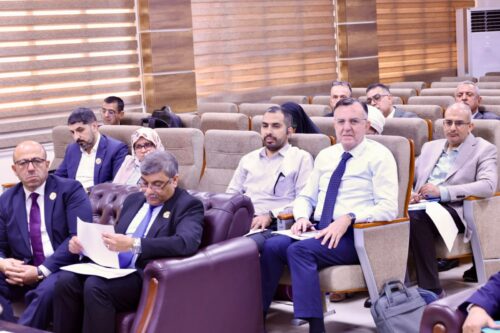
In a step that reflects its distinguished academic standing and its role in supporting the development of medical education in Iraq, the College of Medicine at the University of Baghdad was selected as a practical training model for hosting a specialized workshop aimed at preparing and qualifying newly appointed national assessors. The workshop, organized by the National Council for the Accreditation of Medical Colleges in Iraq, brought together a distinguished group of academic staff members from various Iraqi medical colleges. It aimed to enhance their competencies in implementing academic accreditation standards and conducting on-site institutional evaluation visits.
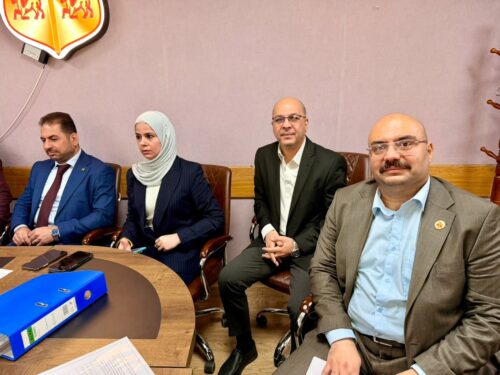
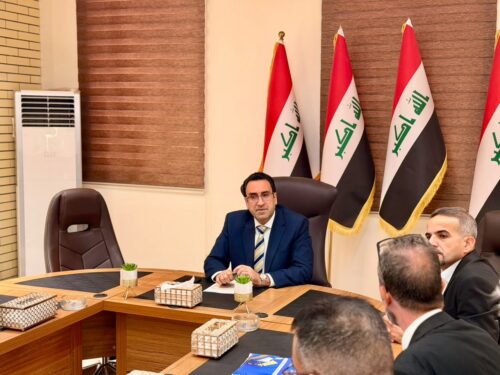
The Dean of the College, Professor Dr. Ameen Abdul-Hassan Manea Al-Alwany, received the visiting delegation, headed by Professor Dr. Yusra Abdul-Rahman Mahmoud, President of the National Council for the Accreditation of Medical Colleges, accompanied by Dr. Hilal Bahjat Al-Saffar, Vice-President of the Council, as well as several professors and assessors participating in the training programme. The Dean warmly welcomed the delegation to the College of Medicine at the University of Baghdad.
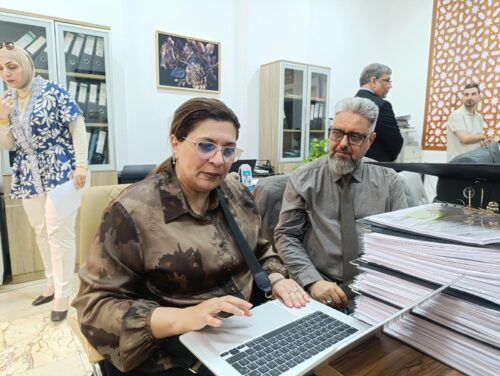
The selection of Baghdad College of Medicine as the venue for the practical component of the National Assessors Team (NAT) training programme provided participants with an opportunity to simulate officially approved institutional evaluation procedures. It also enabled them to gain first-hand experience in evidence collection and verification, conducting interviews, analysing information, and preparing evaluation reports in accordance with national accreditation requirements.
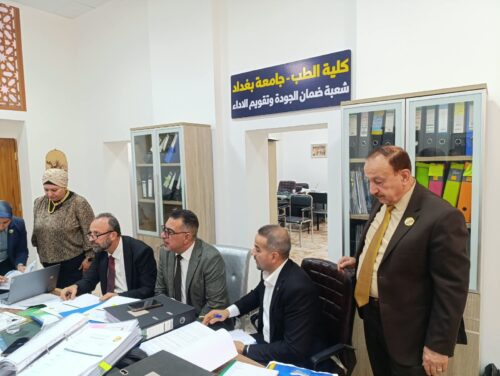
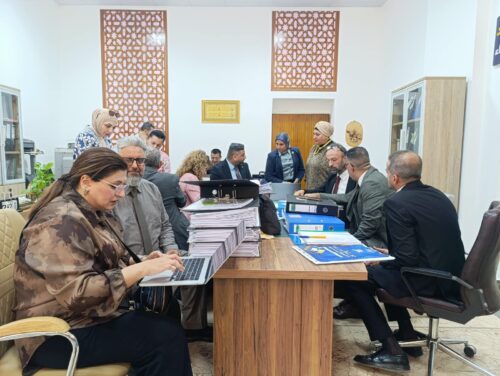
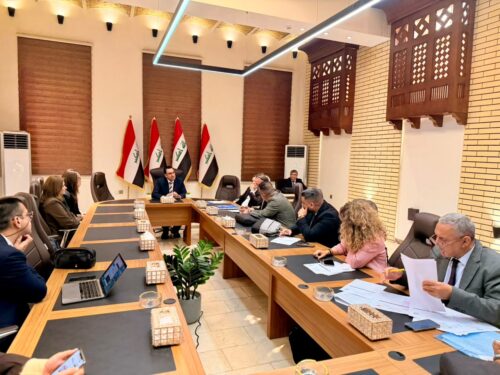
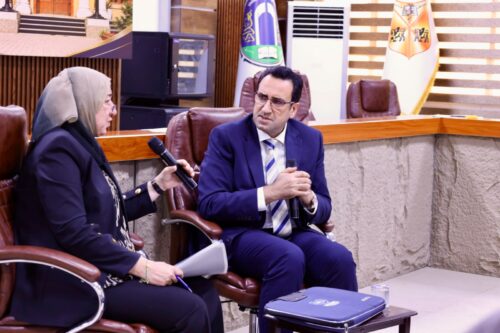
The programme included a series of meetings and interactive sessions with the College’s Deanship, Associate Deans, accreditation domain coordinators, academic staff members, students, and administrative personnel. These sessions focused on discussing the approved accreditation domains and the mechanisms used to verify their implementation. They also provided an opportunity for participants to exchange questions, observations, and feedback, thereby strengthening the newly appointed assessors’ skills in conducting evaluation meetings and systematically documenting their findings.
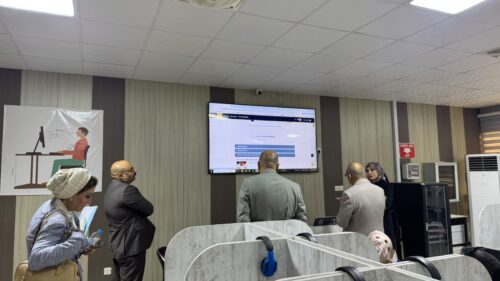
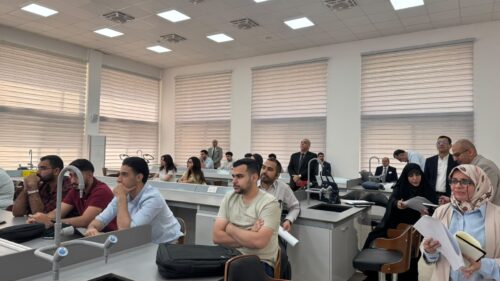
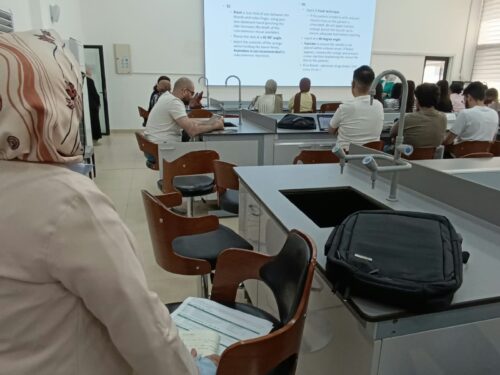
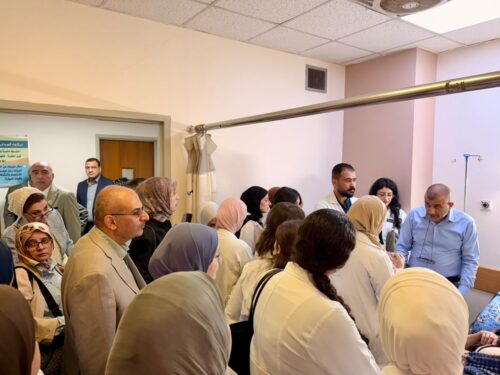
Furthermore, the visit included field tours of the scientific laboratories, lecture halls, and various academic and administrative facilities and departments within the College. These visits enabled participants to undertake practical assessment activities in a real institutional setting and bridge the gap between theoretical knowledge and the practical requirements of national accreditation assessment teams.
As part of the completion of the practical training component, participating assessors were assigned to prepare evaluation reports based on their observations and findings during the visit. This exercise was designed to develop their expertise in drafting institutional site-visit reports, analysing supporting evidence, and identifying observations and recommendations in accordance with the approved evaluation methodology.
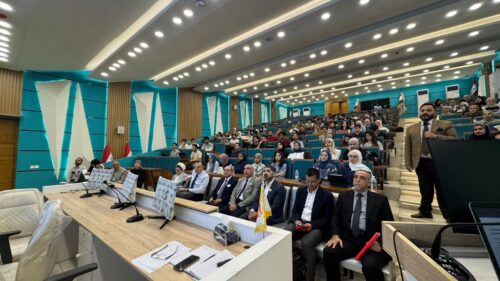
The programme also featured a lecture and an extensive discussion session dedicated to reviewing the proceedings of the visit, examining the assessment domains, and discussing the reports and observations gathered throughout the evaluation process. Constructive feedback was also provided to participants, contributing to the harmonization of assessment methodologies and the enhancement of the overall performance and professional competence of national assessment teams.
The selection of the College of Medicine at the University of Baghdad for this important training assignment carries significance beyond merely hosting the event. It positions the College as an active practical partner in preparing the academic professionals entrusted with evaluating Iraqi medical colleges. Furthermore, it highlights the College’s contribution to strengthening the national accreditation system and fostering a sustainable culture of quality assurance and continuous improvement across medical education institutions in Iraq.