College of Medicine, University of Baghdad enhances the quality of exams assessments

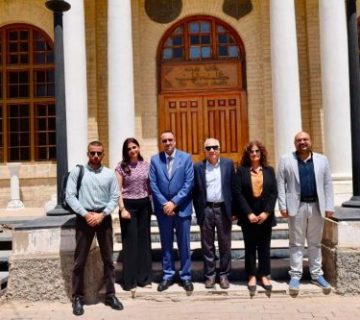
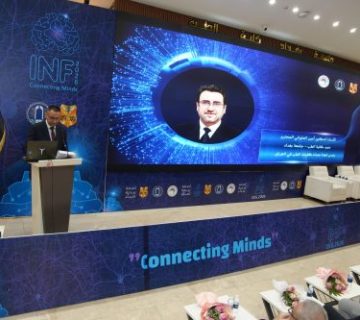
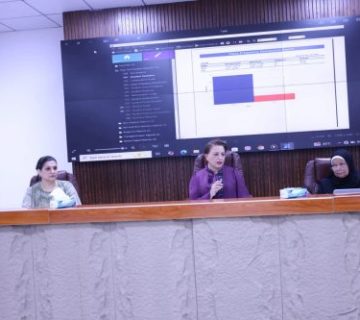
A Specialized Scientific Workshop on Final Exam Data Analysis Under the patronage and in the presence of the Dean of ...
University of Baghdad College of Medicine SDG 4: Quality Education initiatives are curated here—curriculum reform and competency frameworks; clinical training, simulation and skills labs (OSCE/OSPE); assessment design and standard setting (MCQ/SAQ, workplace-based assessment); e-learning and digital resources; inclusive education and student support; faculty development and teaching excellence; academic advising and mentoring; accreditation and quality assurance; education research and program evaluation; and community-based education. Each post lists objectives, responsible units (Curriculum Committee, Medical Education Unit, QA, Exam Unit), partners (MoHE, teaching hospitals), timelines, datasets/DOIs, and indicators such as competency attainment, OSCE reliability, assessment blueprinting coverage, student satisfaction/NSS, progression and retention, remediation outcomes, CPD hours, accreditation status, and graduate outcomes. Browse by tags: Curriculum, Assessment & Exams, Simulation & Skills, E-Learning, Inclusion & Student Support, Faculty Development, Accreditation & QA, Education Research, Community-Based Education, Partnerships.