Strategic Partnership to Support Medical Education and Build Healthcare Capacity
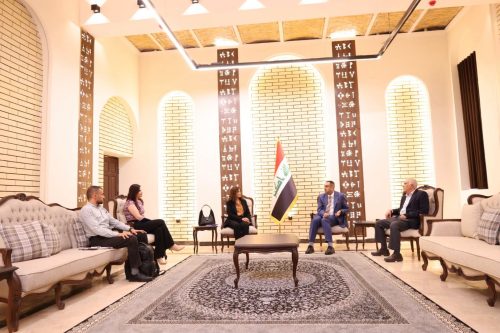
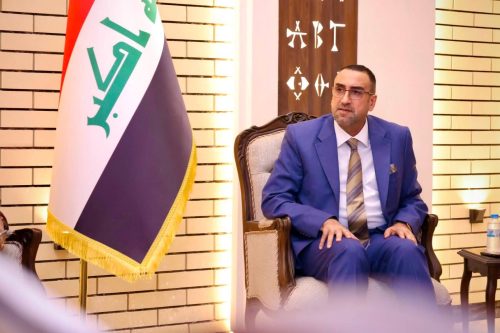
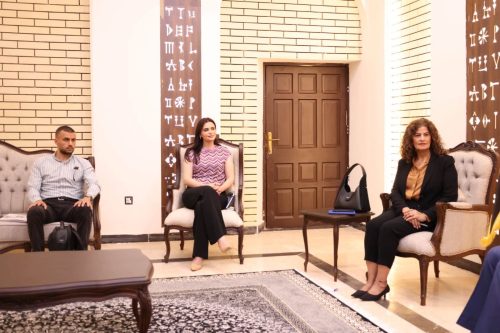
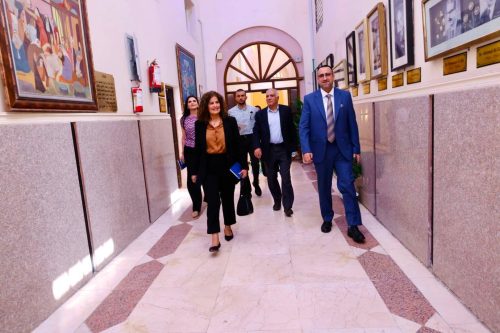
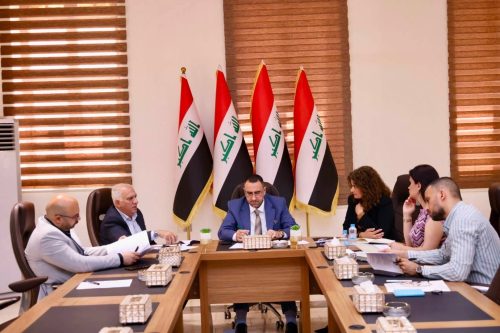
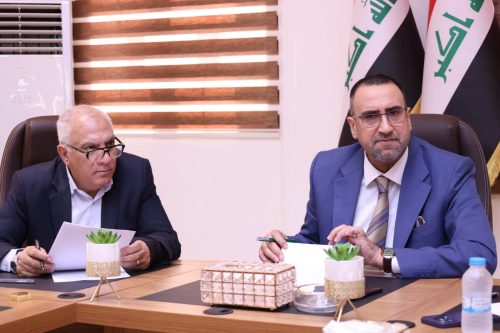
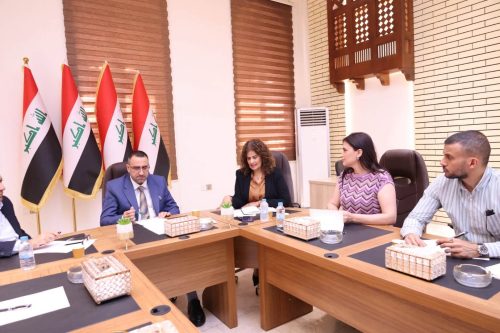
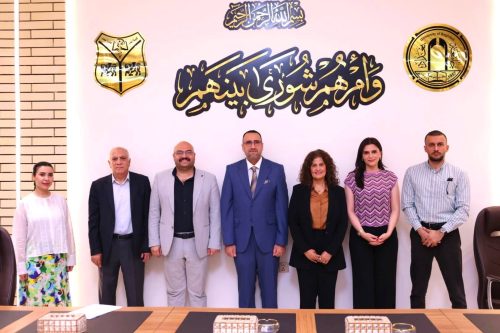
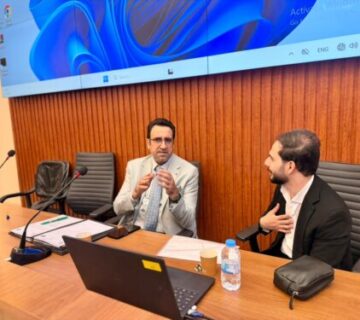
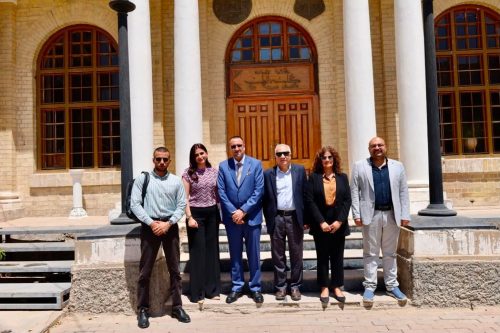
The College of Medicine at the University of Baghdad received a delegation from the World Health Organization (WHO), headed by Dr. Jamila Al-Raabi, WHO Representative in Iraq. The delegation was welcomed by the Dean of the College of Medicine, Professor Dr. Ameen Abdul-Hassan Al-Alwany, in the presence of several faculty members.
The visit aimed to explore avenues for joint cooperation between the College of Medicine and the WHO, and to strengthen academic and scientific partnerships in medical education, healthcare, public health, and curriculum development. This includes student training and the establishment of regular workshops to contribute to capacity building and the exchange of expertise, in line with the goals of developing the healthcare system and supporting priority health programs.
The visit also included discussions on proposed areas of cooperation between the two parties, particularly programs related to primary healthcare, community health awareness, student skills development, faculty participation in workshops and scientific activities, and support for research and data-driven decision-making. These initiatives aim to enhance the role of academic institutions in serving the community and the healthcare sector.
For his part, the Dean of the College of Medicine, Professor Dr. Ameen Abdul-Hassan Al-Alwany, emphasized the importance of the outcomes of this visit, noting that the cooperation with the College of Medicine at the University of Baghdad, as the parent institution, will have positive repercussions for other medical colleges in Iraq, especially since the Dean chairs the Committee of Deans of Iraqi Medical Colleges. He also stressed the need for follow-up and continuity in such activities and the inclusion of workshops and training programs in the college’s annual plan to ensure a sustainable scientific and practical impact.
At the conclusion of the meeting, both sides affirmed their commitment to expanding areas of joint cooperation and translating this visit into practical programs that serve medical education, support the capabilities of students and faculty, and contribute to enhancing the quality of healthcare services in Iraq.