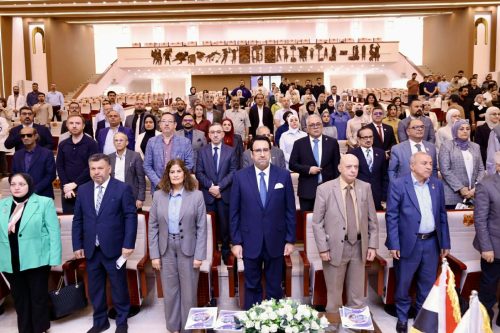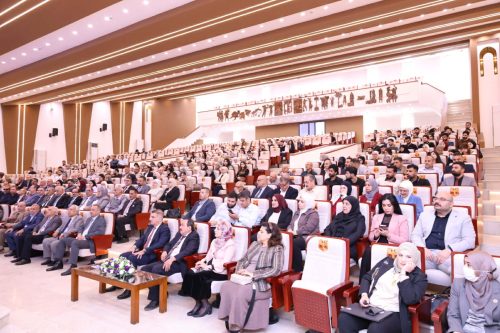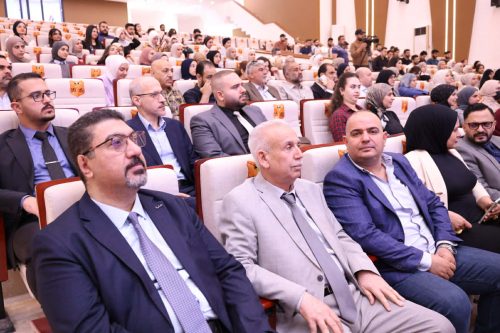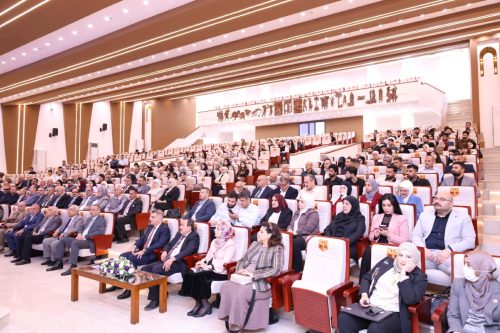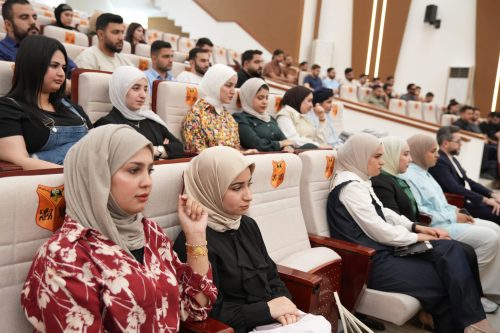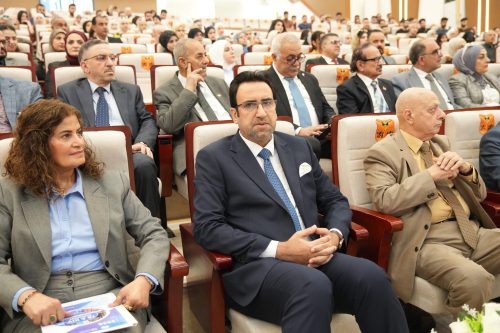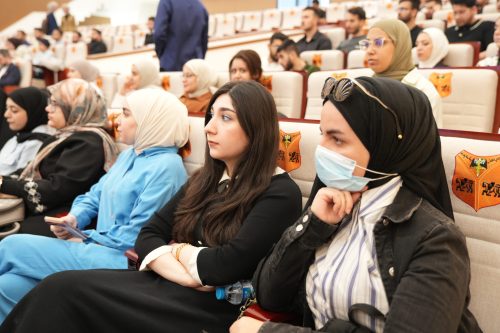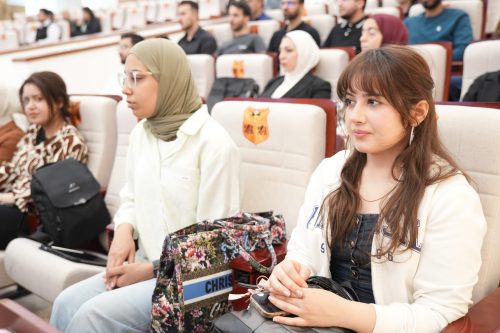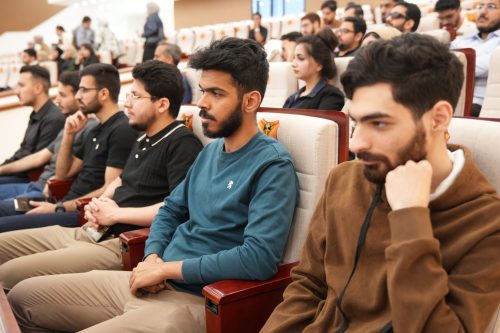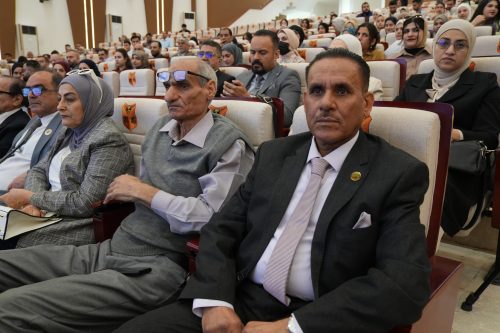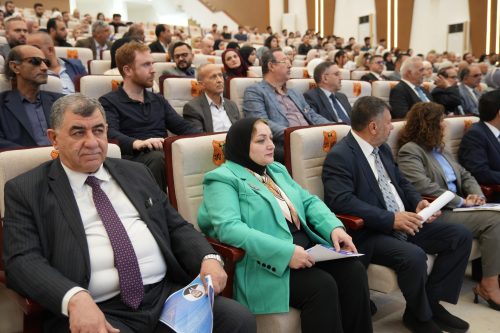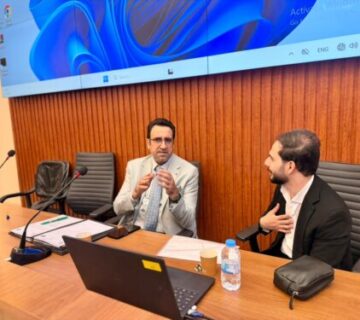
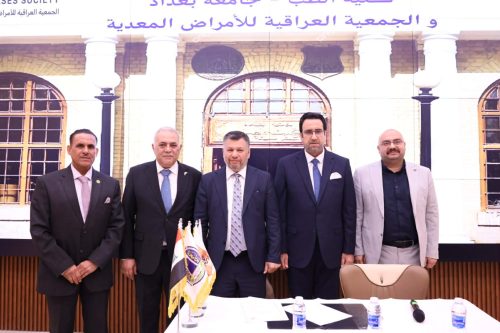
From the grounds of the College of Medicine at the University of Baghdad, the first medical school in Iraq, the first scientific symposium on combating tuberculosis was launched. This distinguished scientific event brought together academic and medical leaders, with the participation of national and international institutions, reaffirming the pioneering role of the College of Medicine in supporting scientific and health advancements in Iraq and the region.
The symposium was held as part of the commemoration of World Tuberculosis Day, in cooperation with the National Tuberculosis Institute, the National Center for HIV Control, the Iraqi Society for Combating Tuberculosis and Chest Diseases, and the Iraqi Society for Infectious Diseases. It exemplifies a leading model of collaborative institutional work in addressing health challenges.
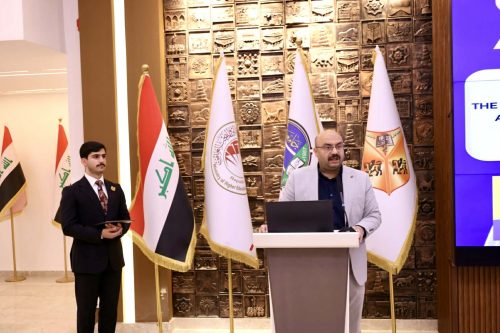
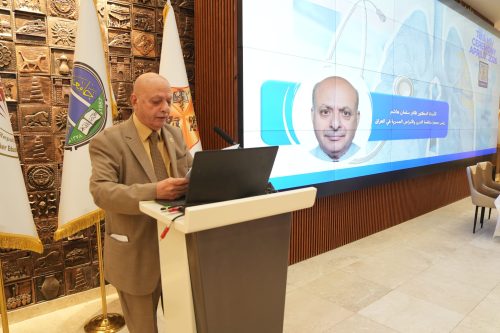
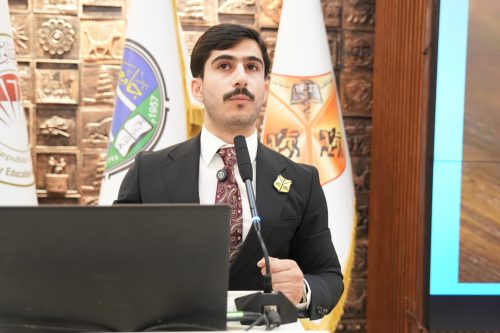
The proceedings began with a speech by the Dean of Scientific Affairs at the College of Medicine, University of Baghdad, Professor Dr. Mohammed Basil, who welcomed the attendees and emphasized that the College of Medicine’s hosting of this symposium reflects its established scientific standing and its leading role in supporting scientific research and developing health policies.
He pointed out that the college’s responsibility extends beyond diagnosis and treatment to include raising community awareness and leading preventative efforts in collaboration with local and international partners, thus solidifying its position as a cornerstone in combating epidemics.
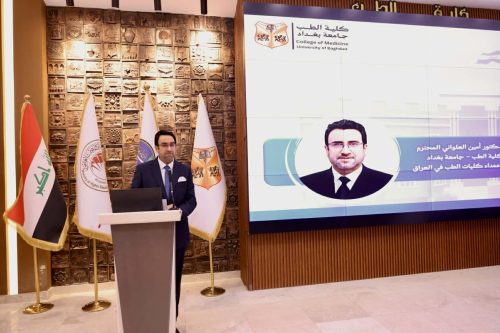
In a distinguished address, the Dean of the College of Medicine at the University of Baghdad, Professor Dr. Ameen Audulhassan Manaa Al-Alwany, affirmed that this forum represents a significant scientific and humanitarian milestone, bringing together academic effort with practical experience.
He commended the active role of the participating institutions and associations, appreciating their efforts in disseminating awareness, promoting prevention, and developing diagnostic and treatment methods. He emphasized that collaborative work is the optimal way to confront health challenges and reiterated the college’s pride in its active scientific and humanitarian role in these forums.
The World Health Organization Representative in Iraq, Dr. Jamela Al-Raiby, expressed her gratitude for the warm hospitality, praising this initiative which coincides with World Health Day and the organization’s founding anniversary. She affirmed that Iraq continues its unwavering commitment to disease diagnosis and providing free treatment, and commended the national efforts in combating tuberculosis.
The head of the Iraqi Medical Association, Professor Dr. Hassanien Shuber, pointed out that this college represents the starting point for medical education in Iraq, emphasizing that the significant decrease in tuberculosis rates compared to previous decades is a result of accumulated efforts and distinguished medical expertise.
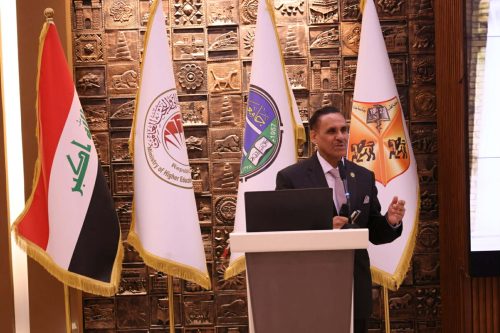
The head of the Tuberculosis and Chest Diseases Control Association, Professor Dr. Dhafer Salman Hashim, also affirmed that eradicating tuberculosis is no longer a distant dream, but rather an achievable goal through effective programs, joint cooperation, and integrated efforts.
The head of the Iraqi Society for Infectious Diseases, Professor Dr. Haitham Noaman Al-Koubaisy, expressed his pride in attending the Baghdad College of Medicine, appreciating the college’s support for these scientific events that enhance the progress of medical development.
The director of the National Tuberculosis Institute, Professor Dr. Ahmed Asmar Mankhi, stressed that eradicating tuberculosis requires continuous collective action, affirming that the concerted efforts of medical personnel are capable of achieving this goal.
The opening session of the symposium concluded with a speech by Professor Dr. Mohammed Waheeb Salman, Professor of Internal Medicine at the College of Medicine, University of Baghdad. He emphasized that this symposium represents a significant scientific step towards strengthening the integration between academic research and clinical application, and called for the continuation of scientific initiatives that contribute to improving medical performance and enhancing healthcare services.
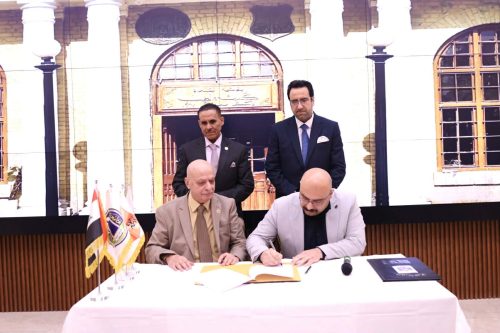
The opening session culminated in the signing of a memorandum of understanding and joint scientific cooperation between the College of Medicine, University of Baghdad, and the Iraqi Society for Infectious Diseases. This step reflects the two institutions’ commitment to expanding cooperation in scientific research, training, and the exchange of expertise, thereby contributing to national efforts to combat communicable diseases.
Following this, the symposium’s scientific activities commenced, featuring specialized lectures and interactive sessions that discussed the latest developments in the diagnosis, treatment, and prevention of tuberculosis.