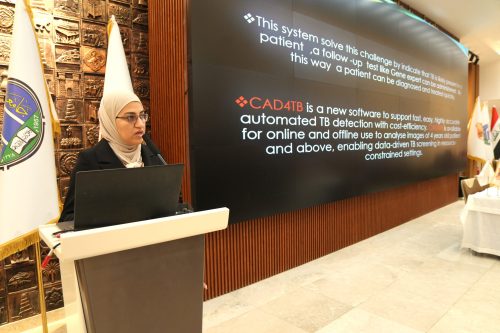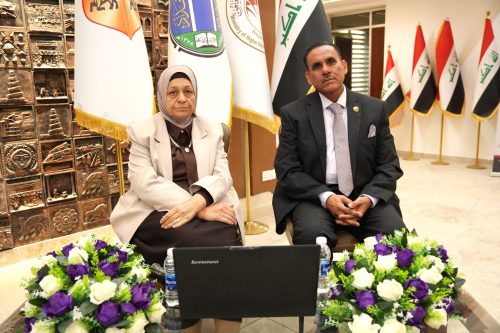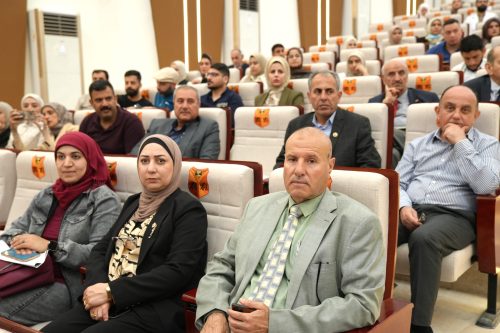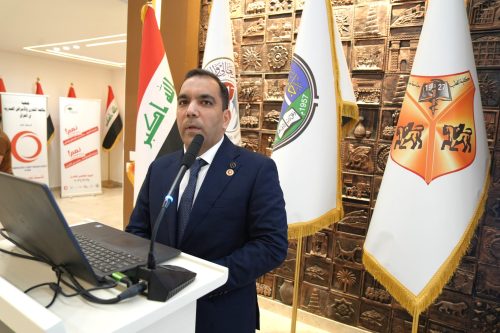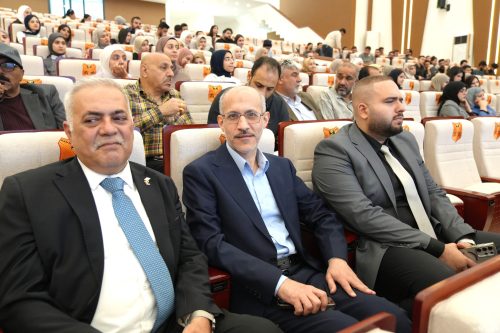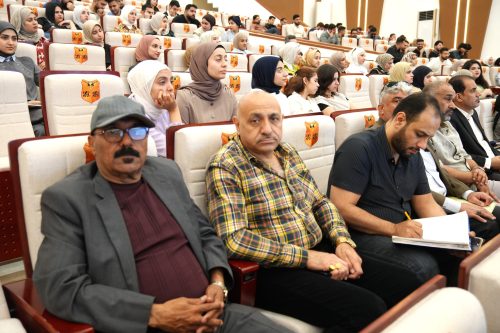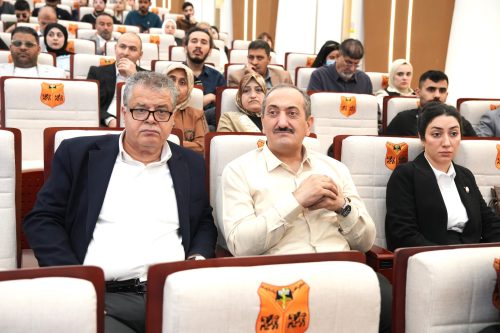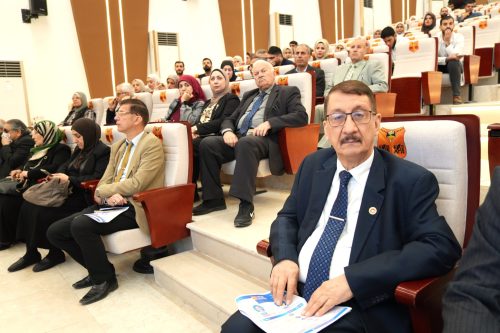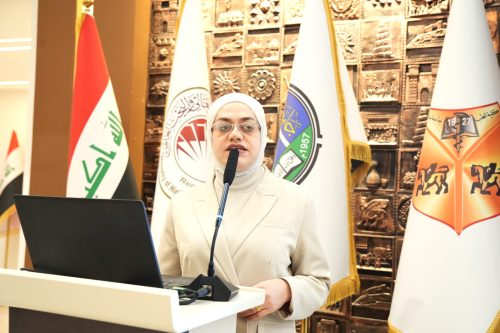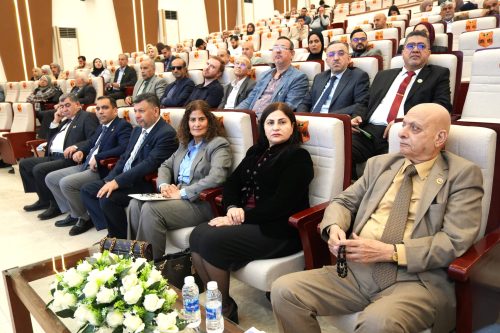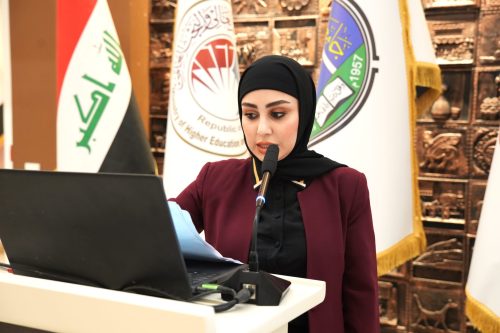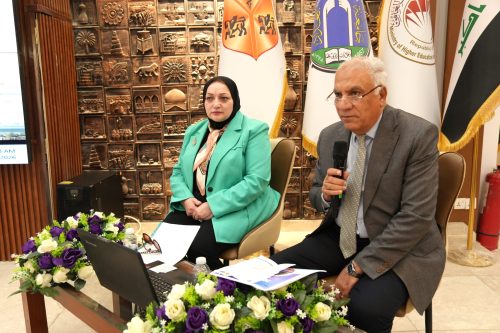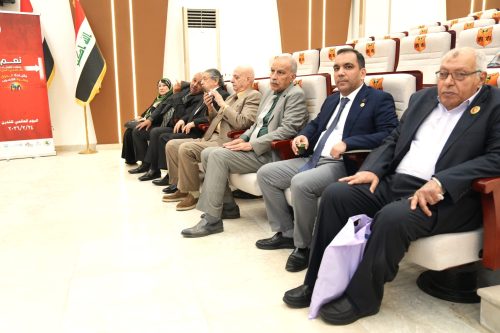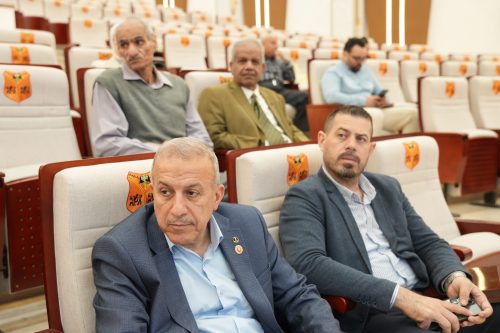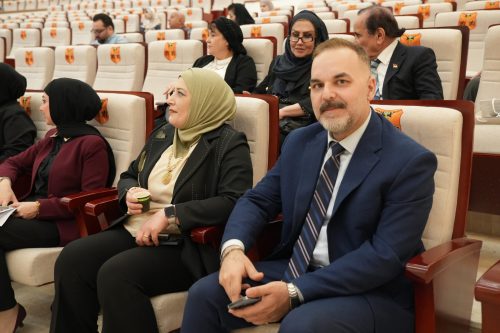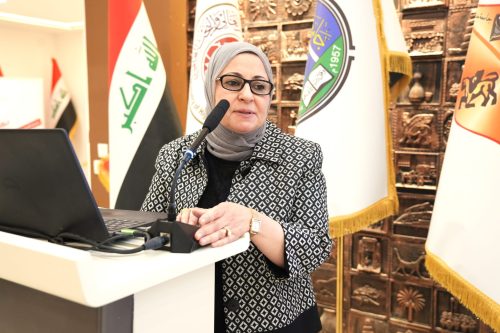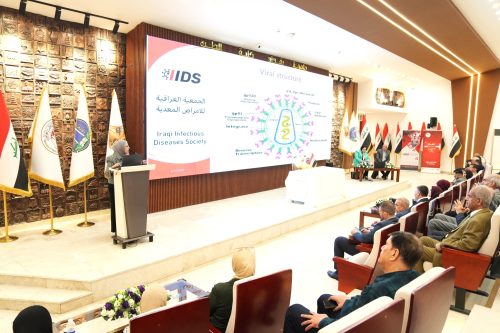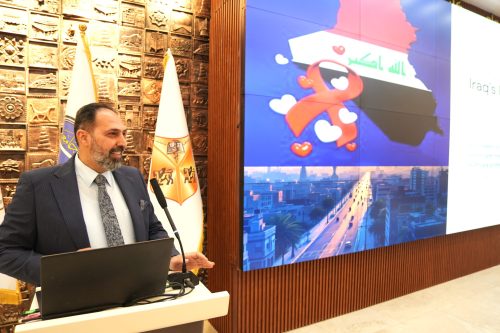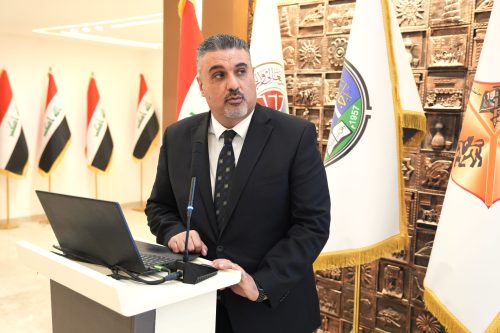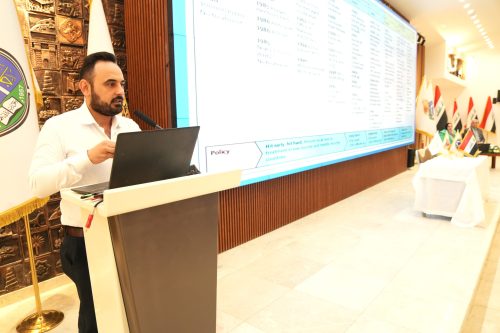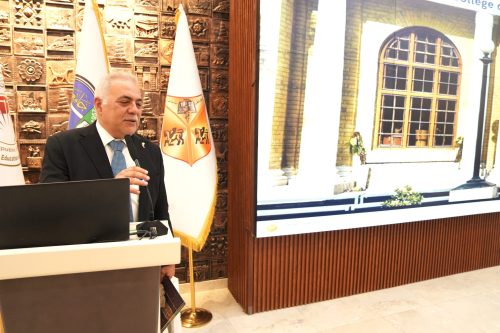
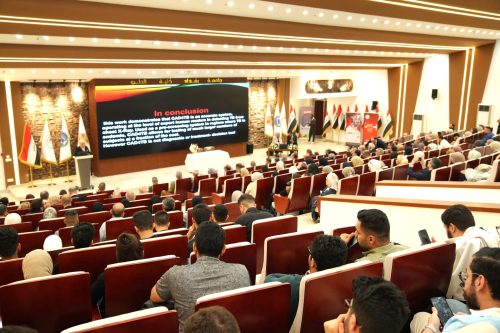
The College of Medicine at the University of Baghdad hosted the first scientific symposium on combating tuberculosis and HIV/AIDS. This distinguished scientific event brought together a select group of professors, researchers, and specialists, underscoring the college’s leading role in addressing health challenges and promoting scientific research.
As part of the symposium’s scientific program, two specialized scientific sessions were held. The first session, focusing on tuberculosis, was chaired by Professor Dr. Mohammed Waheb Salman, with the participation of Professor Dr. Nadia Abdul Nasser. The second session, on HIV/AIDS, was chaired by Professor Dr. Fares Al-Lami, with the participation of Professor Dr. Haifa Abdul-Rahim.
The first session addressed advanced scientific topics, including the classification of tuberculosis and its pathological mechanisms, a review of the current state of tuberculosis control efforts in Iraq and the progress achieved, as well as highlighting latent tuberculosis and its importance. It also discussed the role of modern technologies such as artificial intelligence and chest X-rays in diagnosis, in addition to the latest treatment regimens for drug-resistant tuberculosis.
The second session focused on the scientific and clinical aspects of HIV, starting with its structure and associated diseases, moving through the mechanisms for managing treatment centers, methods of diagnosis, confirmation, and follow-up, and culminating in the latest approved treatment approaches. This reflects the integration of academic knowledge with clinical applications.
Both sessions witnessed the active participation of a select group of professors, consultants, and researchers, who contributed modern scientific insights and practical experiences that support national efforts in combating infectious diseases and raising health awareness.
This symposium comes within the framework of the College of Medicine at the University of Baghdad’s commitment to supporting scientific and health advancements and strengthening academic cooperation, keeping pace with global developments and contributing to improving medical services and achieving the Sustainable Development Goals in the health sector.