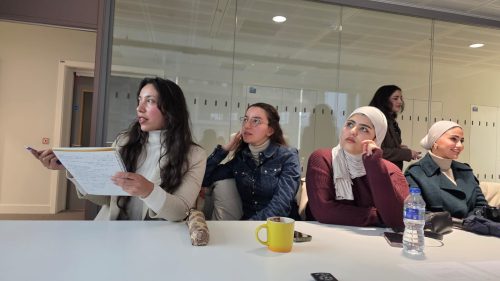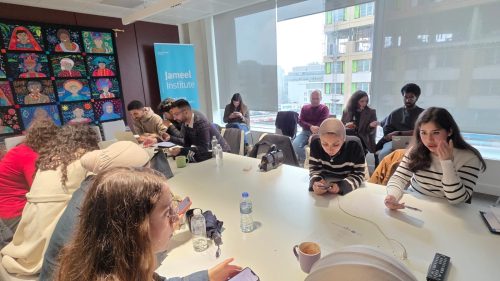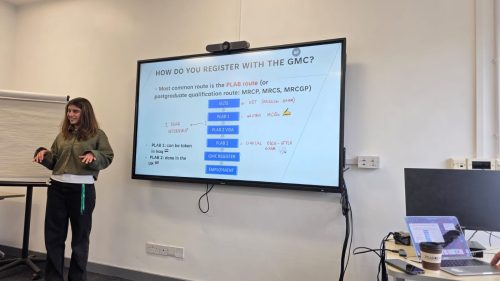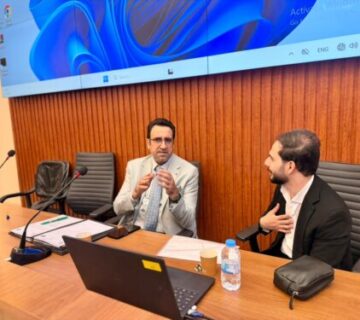
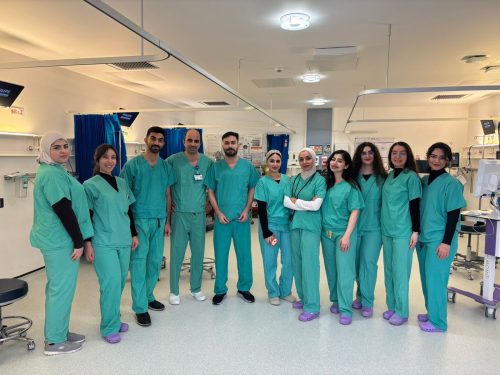
In a pivotal academic milestone reflecting the return of Iraqi scientific presence to its rightful place on the international stage, 14 students from the College of Medicine at the University of Baghdad participated in an advanced scientific training program and a comprehensive academic visit to London, the British capital. The program was organized and hosted by prestigious medical and academic institutions, most notably Imperial College London and the WHO Collaborating Centre for Education and Training in Public Health.
This visit was part of a strategic vision aimed at enabling Iraqi students to experience a global academic environment, enhance their research skills, and develop their capabilities in advanced clinical training. This, in turn, contributes to broadening their professional horizons and deepening their understanding of modern medical practices, in accordance with the latest models adopted in medical education.
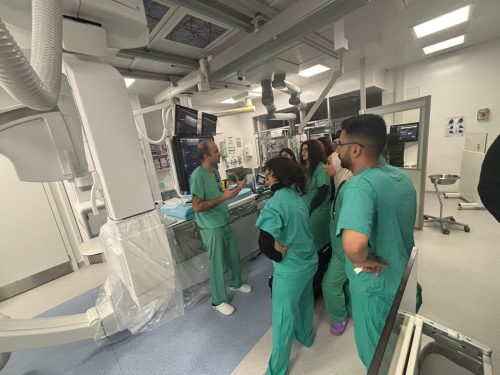
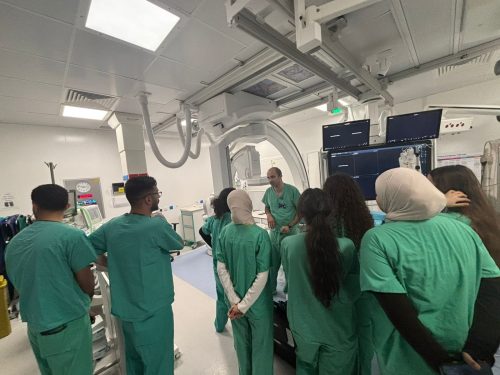
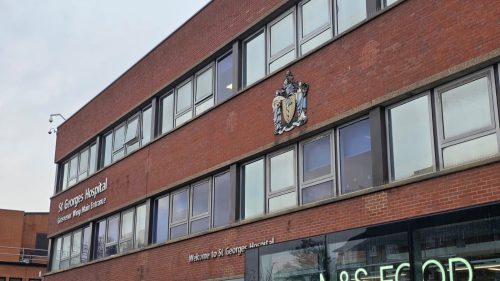
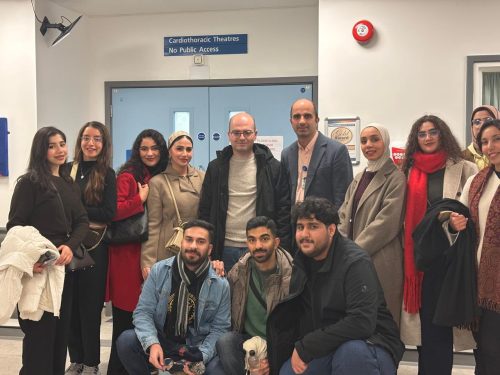
The program included organized training and scientific visits to leading educational and clinical institutions. A highlight was a visit to St. George’s Hospital, where the students gained firsthand experience of the operational mechanisms within one of London’s largest teaching hospitals, including some operating rooms. They also learned about the role of multidisciplinary medical teams and the importance of institutional integration in healthcare delivery.
The students received high praise from British doctors and supervisors, who affirmed their excellence in both academic and clinical performance, as well as their strong commitment to professional conduct and academic discipline throughout the program. This reflects the quality of medical education outcomes at the College of Medicine, University of Baghdad, and its ability to compete in advanced academic environments.
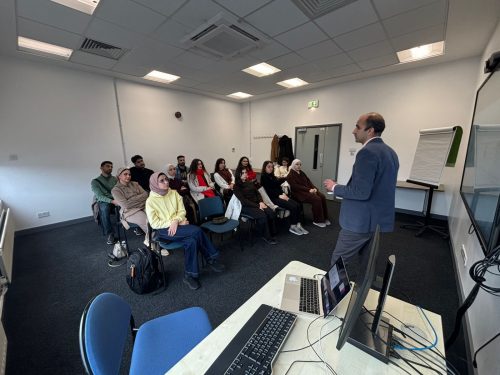
The program focused on achieving specific learning outcomes. By the end of the third day, students were expected to understand the structure of medical education in the United Kingdom, the mechanisms of clinical training, and the culture of assessment and professional development. They were also expected to grasp the organization and funding of the National Health Service and how to practically apply healthcare pathways.
The program also included an introduction to the role of regulation and quality assurance in medical practice, a comparison between clinical learning environments in Iraq and the United Kingdom, and the practice of essential medical education skills such as feedback, microteaching, and reflective practice.
At the conclusion of this high-quality scientific program, the College of Medicine at the University of Baghdad reaffirms its unwavering commitment to supporting its outstanding students and its continuous dedication to providing them with exceptional learning opportunities in world-class academic environments. This will contribute to honing their scientific and professional skills and enhancing their confidence in their international competitiveness.
The College also emphasizes the importance of fostering academic and clinical collaboration between Iraqi educational institutions and their international counterparts. This collaboration is a strategic approach to developing medical education, improving healthcare practices, and cultivating a generation of physicians capable of transferring knowledge, localizing pioneering experiences, and actively contributing to the advancement of the national healthcare system.